
PU / Vegan Leather

Carefully selected PU and vegan leather options that deliver excellent performance with a reduced environmental footprint.

Selected artificial leather materials can be supported by supplier-held third-party certification. Certification availability and scope depend on the selected material article and project requirements.

MATERIAL SELECTION GUIDE

Choosing PU / Vegan Leather for Custom Products

What is PU / vegan leather used for in custom products?

PU / vegan leather is used across custom phone cases, bags, small leather goods and accessories. Current SIMPLY product examples include PU-wrapped phone cases, faux-suede crossbody bags, magnetic card holders and woven key charms.
PU leather vs genuine leather: what is the difference?

PU / vegan leather uses an engineered surface that can be produced in controlled grains, colors and finishes, while genuine leather retains natural fiber structure and variation. The right choice depends on the intended product, appearance, sourcing requirements and project budget rather than a universal material ranking.

What can be customized with PU / vegan leather?

PU / vegan leather can be developed through different material articles, grains, colors, thicknesses and surface finishes. Product-level options can also include stitching, logo application and construction details, subject to the selected article and design.

When should a brand choose PU / vegan leather?

PU / vegan leather is a practical direction when a project needs consistent appearance, broad finish options or coordinated colors across a collection. In SIMPLY's project experience, standard PU is commonly selected for price-sensitive phone case programs, while supplier certification or compliance documents depend on the selected article and project requirements.

PU Leather vs Genuine Leather for Custom Products

Attribute PU / Vegan Leather Genuine Leather
Material character An engineered coated material with a controlled grain and finish direction. A natural collagen-fiber material with visible grain and surface variation.
Surface direction Supports repeatable colors, grains, thicknesses and surface finishes across selected articles. Natural characteristics remain visible; selection and inspection help control usable grain and thickness.
Customization Article, grain, color, thickness, stitching, logo application and surface finish can be specified by project. Leather selection, color, stitching, embossing, edge finish, lining and hardware can be specified by product.
Typical applications Phone cases, bags, card holders and small accessories are represented in the current SIMPLY product range. Leather goods such as the current genuine leather bifold wallet are represented in the SIMPLY product range.
Sourcing and documentation Selected articles may be available with supplier-held certification or compliance documentation. Selected leather may be sourced from audited or documented supplier programs when required by the project.

Normal PU
Production Processes

Paint the Oil Base Resin on Liner

↓

Foaming

Lots of water usage, high temperature foaming, containing chemical solvent, including VOC, Benzene, APEO.

↓

Adhesive

Foamed resin adhesive to the backing fabric.

↓

Finished PU

Still containing partial residue of chemical solvent from the foaming process.

Water-Based PU
Production Processes

Paint the Water-Based Resin on Liner

Water base resin contains no chemical solvent, only pure water.

↓

Foaming

Machine foaming, with 95% less water usage compared with normal PU's high temperature foaming process.

↓

Adhesive

Foamed resin adhesive to the backing fabric.

↓

Finished Water-Based PU

No partial residue of chemical solvent because no chemical solvent is used during the process.

Recycled PU
Production Processes

Collect & Recycle

Post-consumer or pre-consumer PU materials are collected and reprocessed.

↓

Reprocess & Refine

Materials are cleaned, ground and refined into reusable PU resins.

↓

Foaming & Adhesive

Processed with reduced energy and water, then bonded to backing fabric.

↓

Sustainable Finished PU

High performance PU with recycled content, reducing resource consumption and waste.

Microfiber PU
Production Processes

Ultra-fine Fiber Base

Microfiber nonwoven fabric serves as the base material.

↓

Resin Coating

PU resin is coated onto the microfiber base.

↓

Embossing & Finishing

Surface is embossed and finished to achieve the desired texture and appearance.

↓

High Performance Vegan Leather

Durable, lightweight and breathable vegan leather with excellent performance.

i
What is Liner?

A release paper that makes the surface have variety of grain.

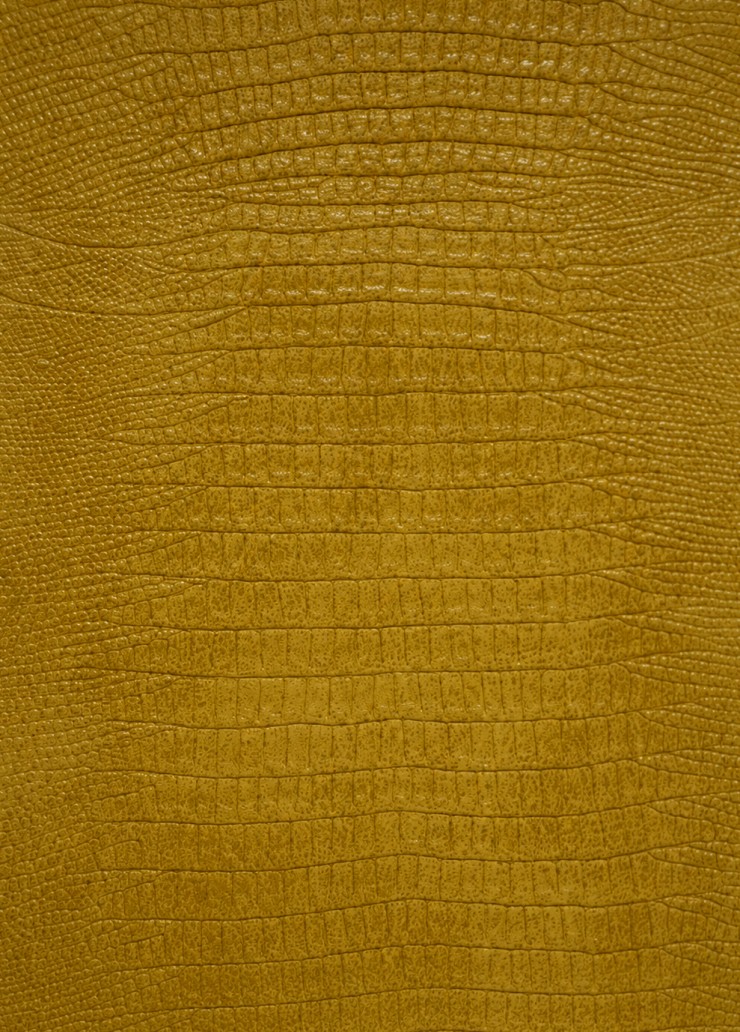
Lizard Grain Eco PU Leather Sample

Lizard Grain Eco PU Leather

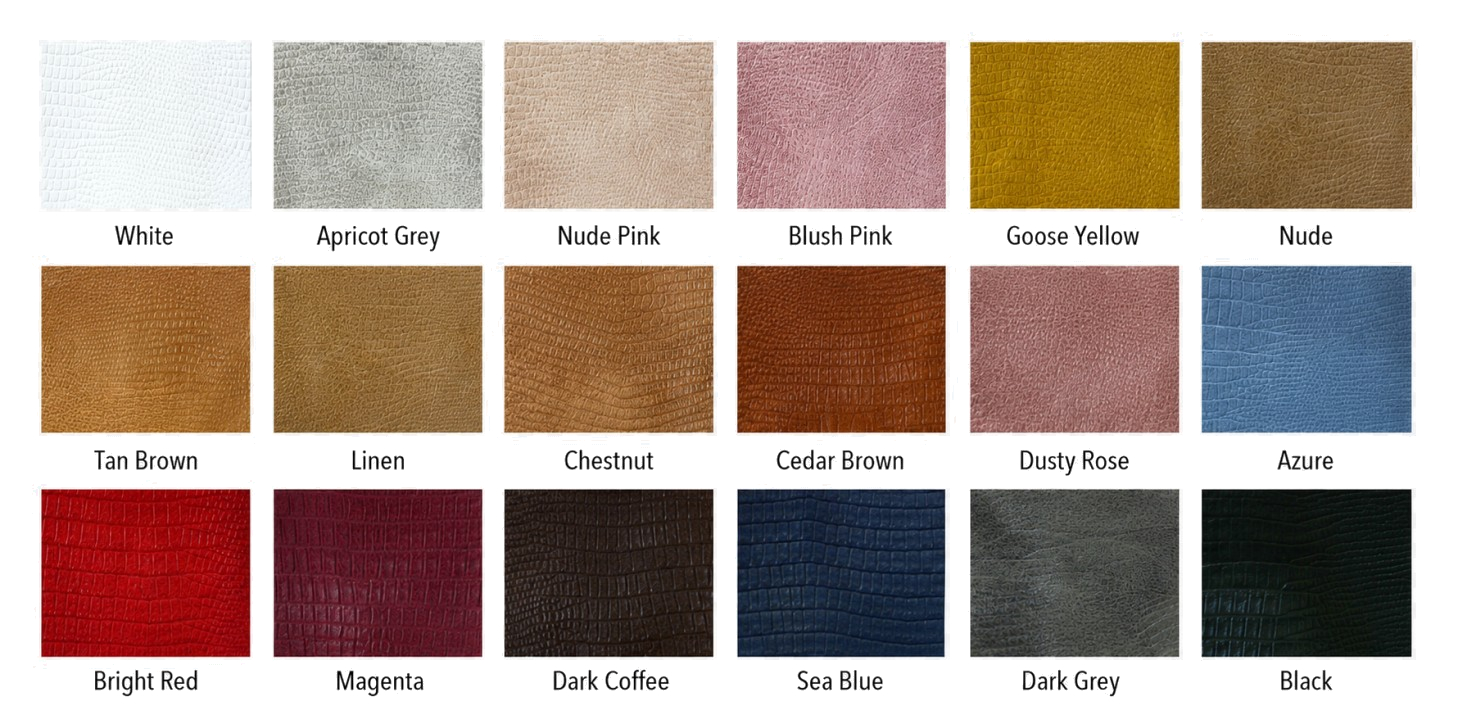
Lizard Grain Eco PU Leather Color Options
Article
HY-Recycled S3018
Thickness
1.2±0.05mm
Composition
58% Recycled Polyester / 37% Polyurethane / 5% Kaolin
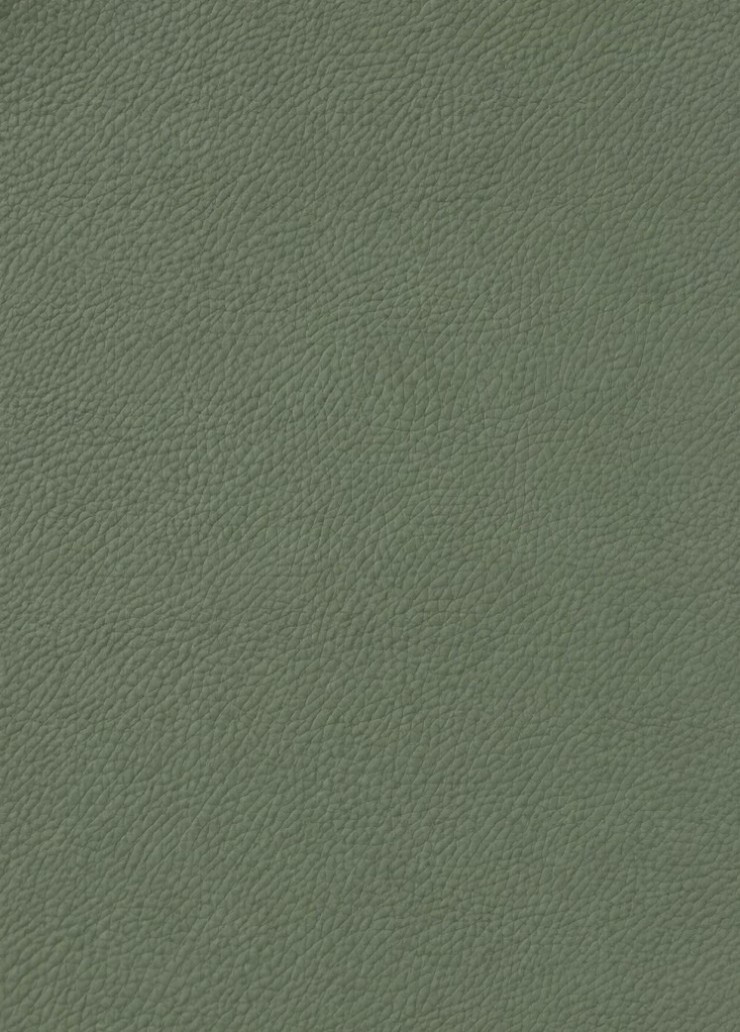
Lychee Grain Eco PU Leather Sample

Lychee Grain Eco PU Leather

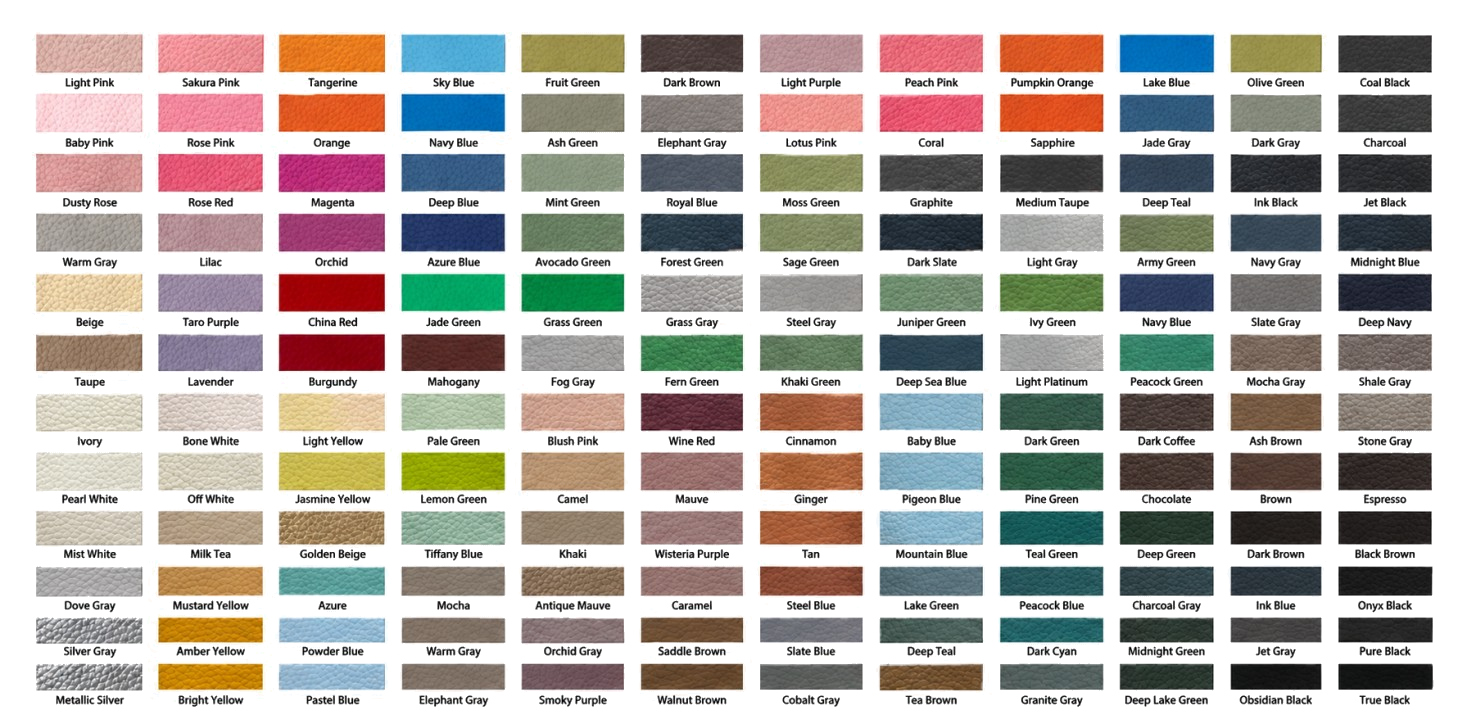
Lychee Grain Eco PU Leather Color Options
Article
HY-Recycled 294018
Thickness
1.2±0.05mm
Composition
58% Recycled Polyester / 37% Polyurethane / 5% Kaolin
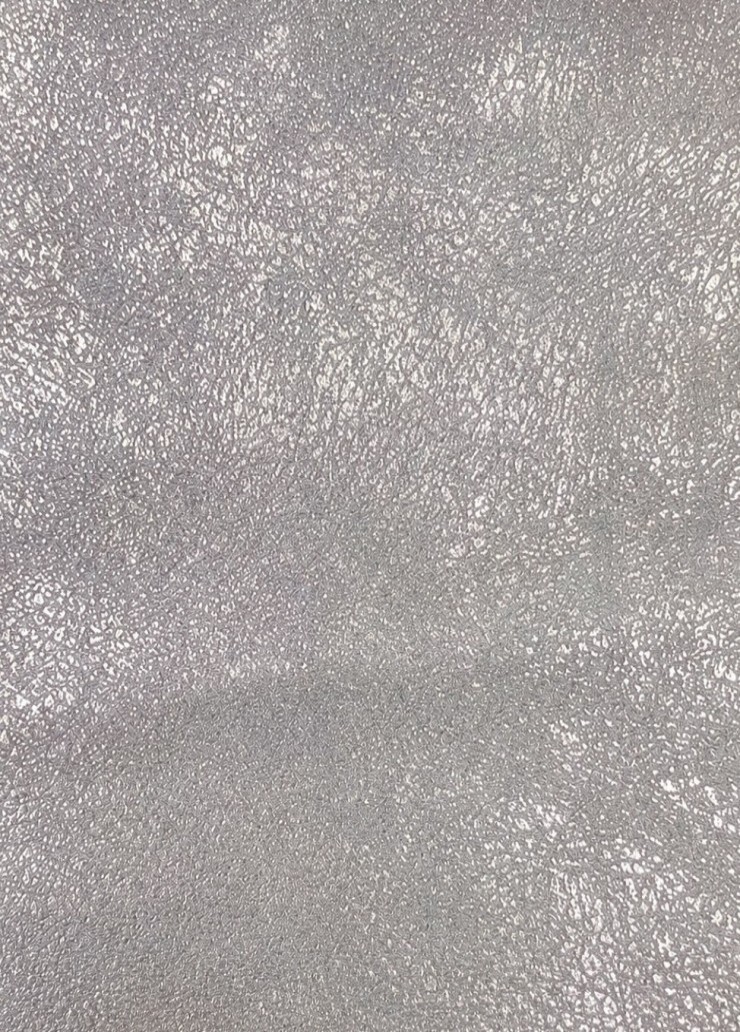
Metallic Iridescent PU Leather Sample

Metallic Iridescent PU Leather

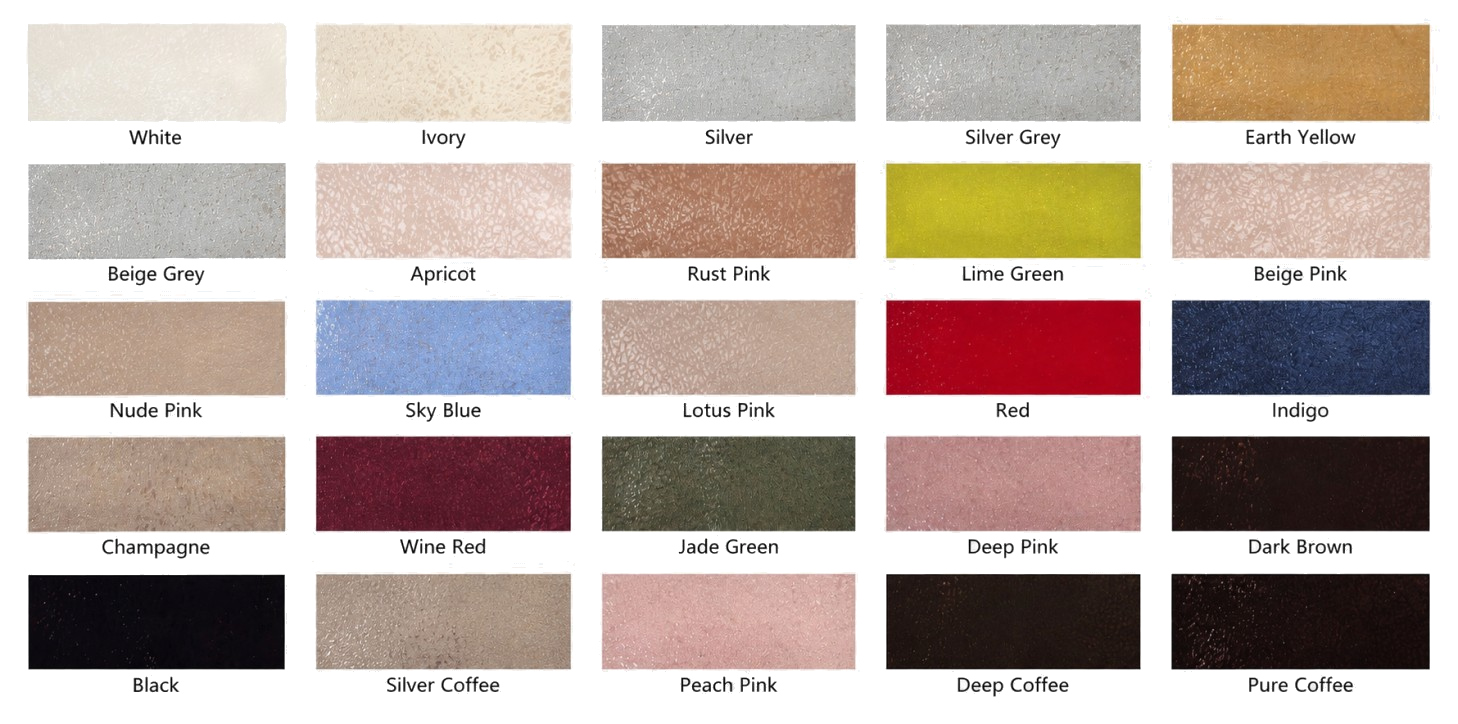
Metallic Iridescent PU Leather Color Options
Article
HY-341018
Thickness
0.85±0.05mm
Composition
60% Polyester / 35% Polyurethane / 5% Additives & Fillers
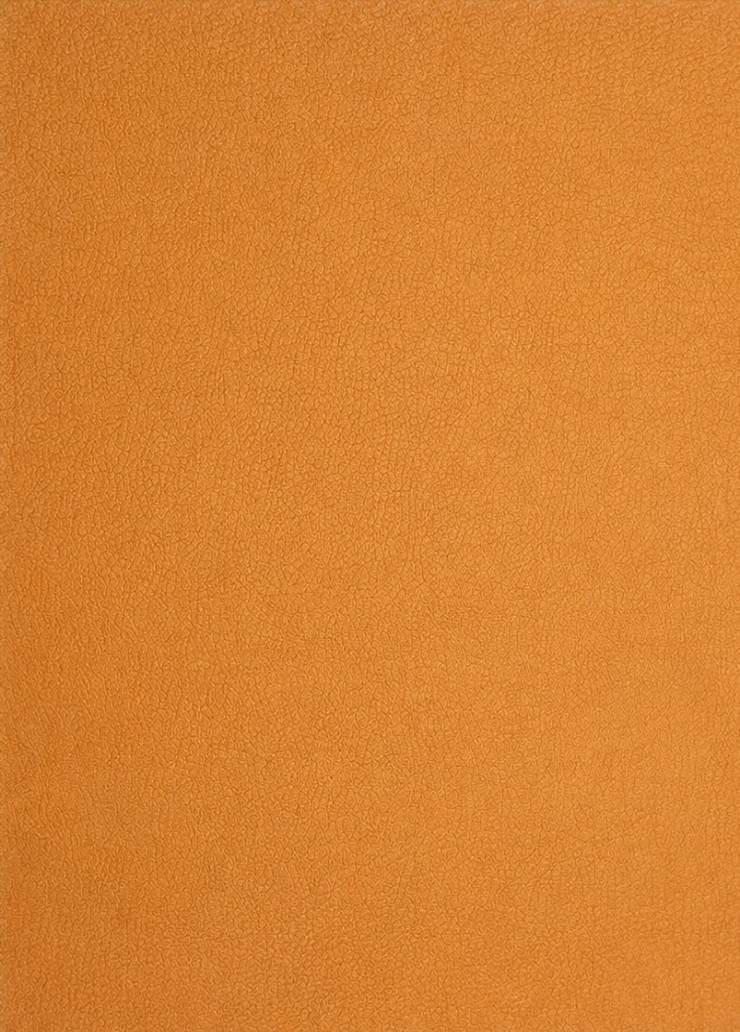
Water Base PU Leather Sample

Water Base PU Leather

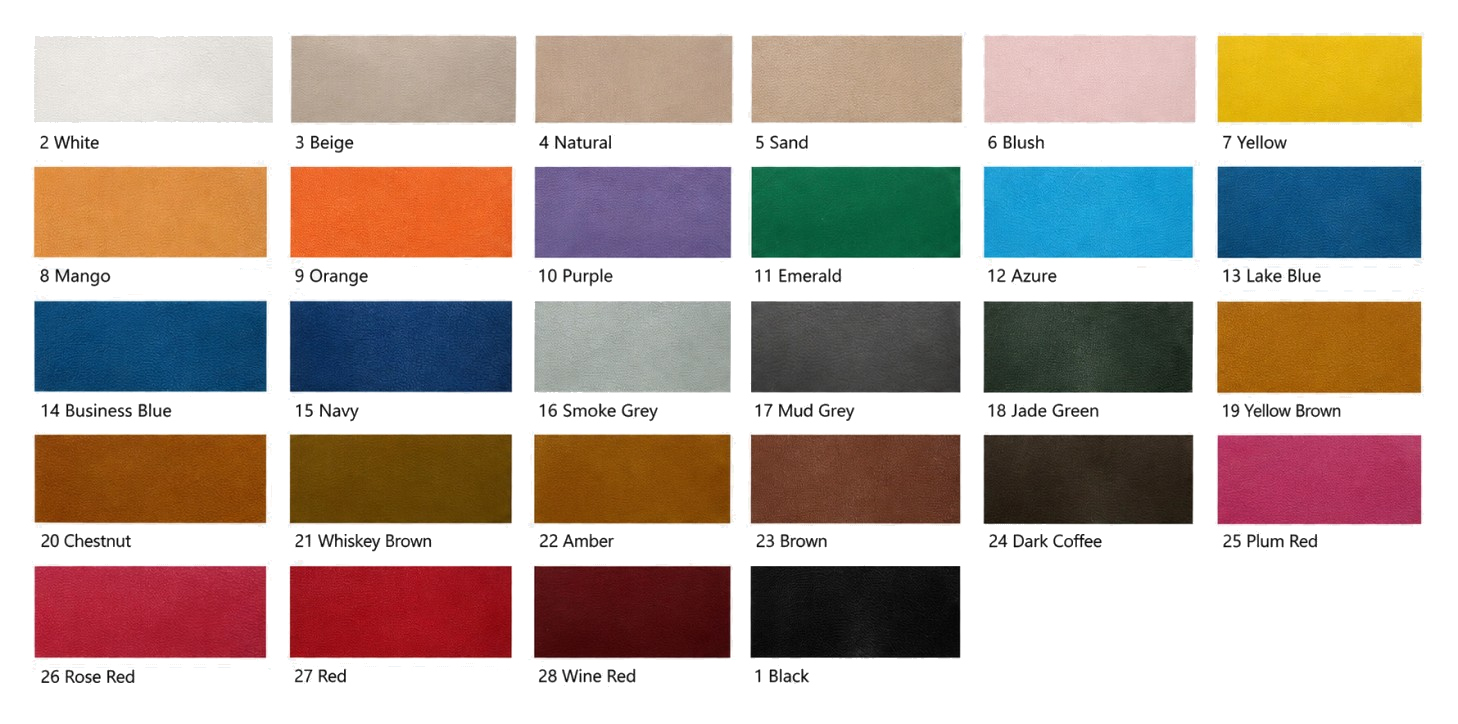
Water Base PU Leather Color Options
Article
HY-Water Base S22018
Thickness
0.6±0.05mm
Composition
58% Recycled Polyester / 37% Water-based Polyurethane / 5% Kaolin
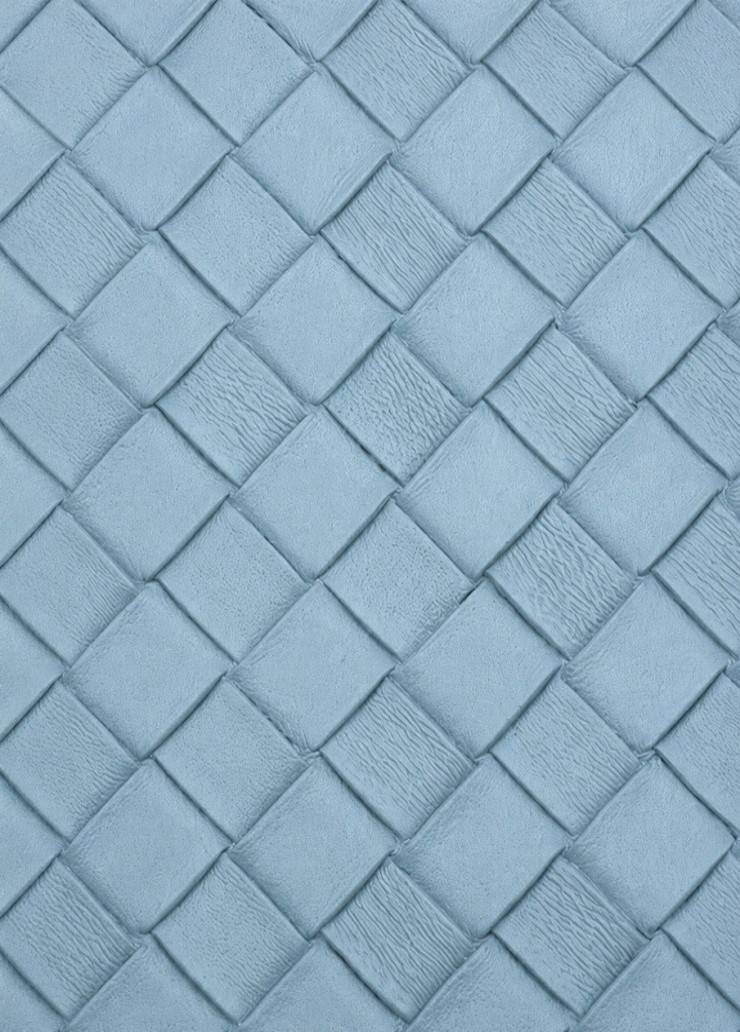
Woven Grain Eco PU Leather Sample

Woven Grain Eco PU Leather

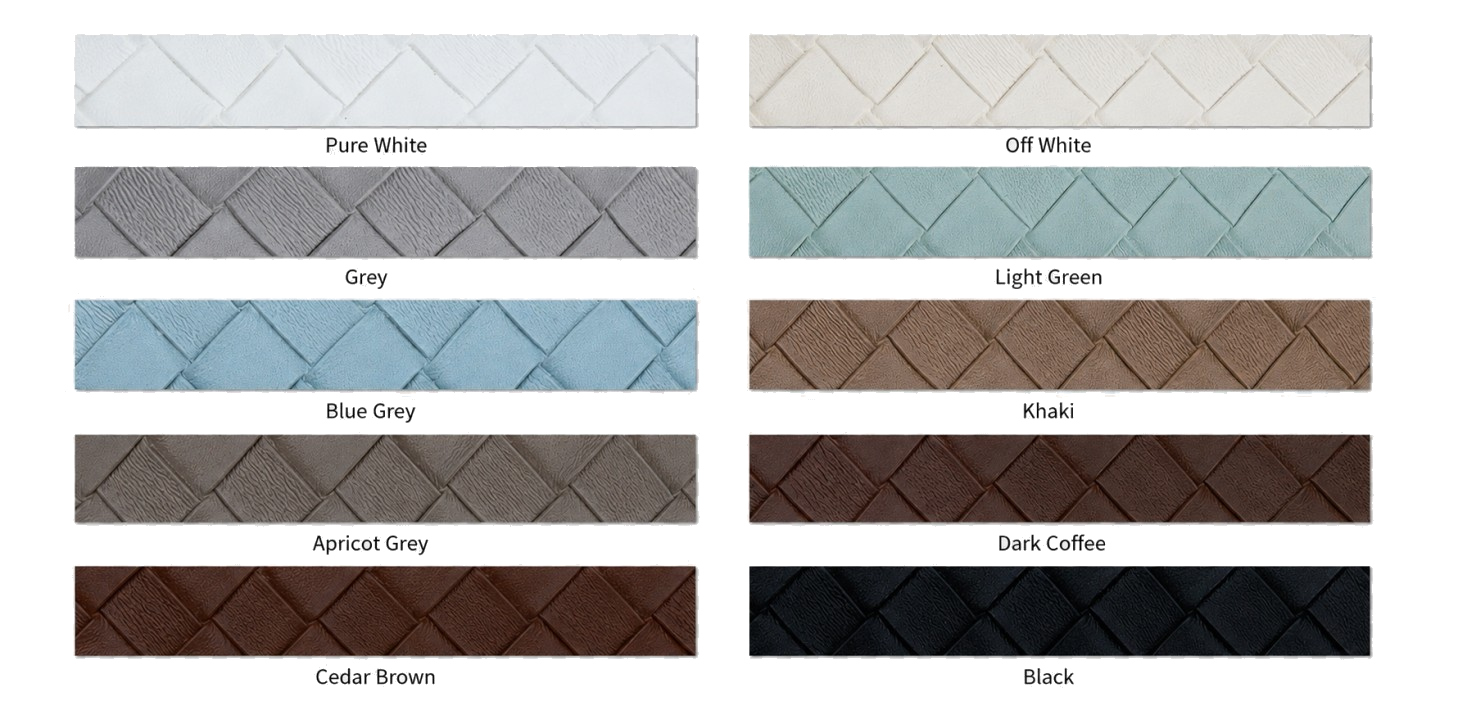
Woven Grain Eco PU Leather Color Options
Article
HY-Recycled 66018
Thickness
1.8±0.05mm
Composition
58% Recycled Polyester / 37% Polyurethane / 5% Kaolin