Materials

Plant

Carefully selected PU and vegan leather options that deliver excellent performance with a reduced environmental footprint.

Biobased Content
Durable & Scratch Resistant
Easy to Clean
01
Plant Material Selection

Plant Material
Selection

Select renewable plant-based materials such as pineapple leaf fiber, bamboo, wood fiber, and other plant ingredients.

02
Fiber Preparation

Fiber
Preparation

Clean, process, and refine the plant materials into usable fibers or bio-based components.

03
Bio-Based Resin Blending

Bio-Based
Resin Blending

Blend plant-derived ingredients with bio-based resins to create a more sustainable composite material.

04
Coating & Lamination

Coating &
Lamination

Apply or laminate the bio-based PU layer onto the backing fabric or base material.

05
Embossing & Surface Finishing

Embossing &
Surface Finishing

Add the desired grain, texture, and surface treatment for a premium leather-like appearance.

06
Finished Plant Leather

Finished Plant
Leather

The finished material offers soft handfeel, durability, and reduced dependence on fossil-based raw materials.

TPU

Article
Thickness
Composition

PC

Article
Thickness
Composition

Silicone

Article
Thickness
Composition

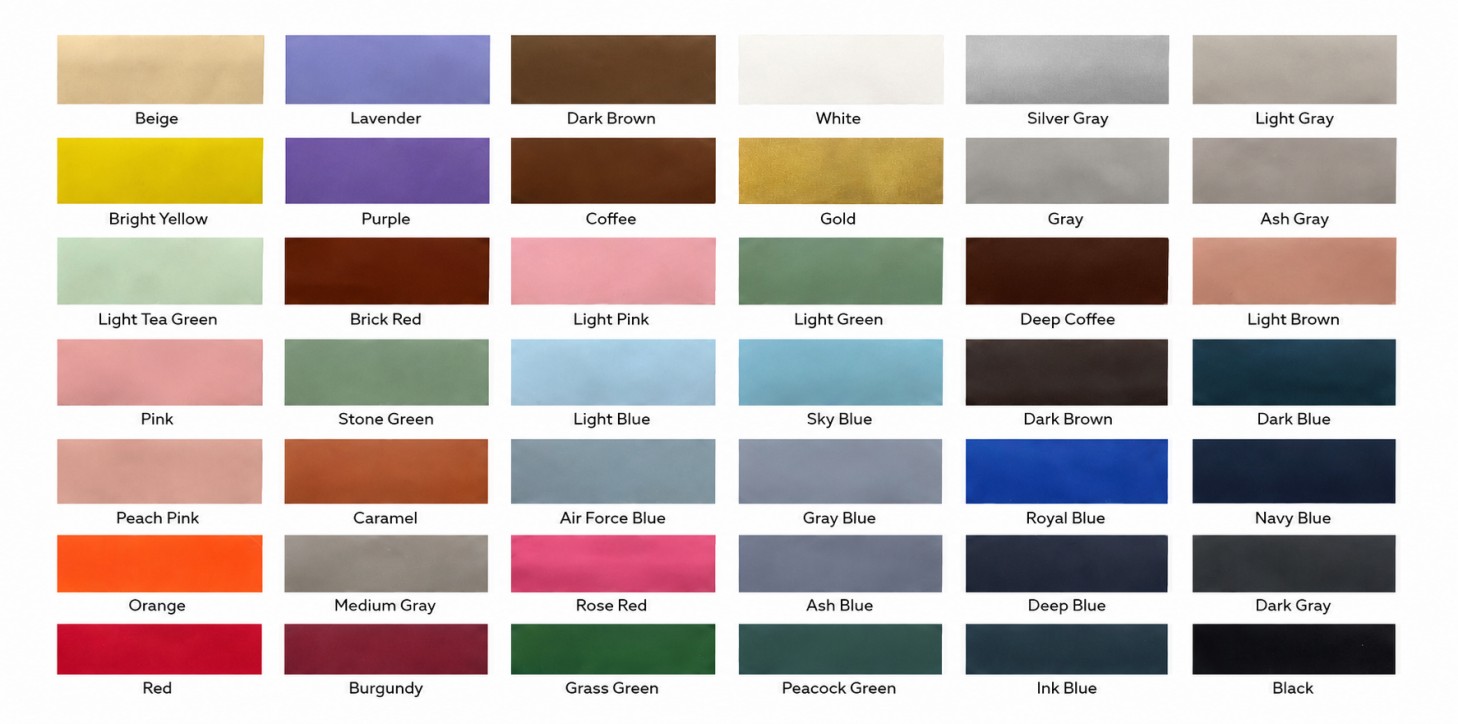
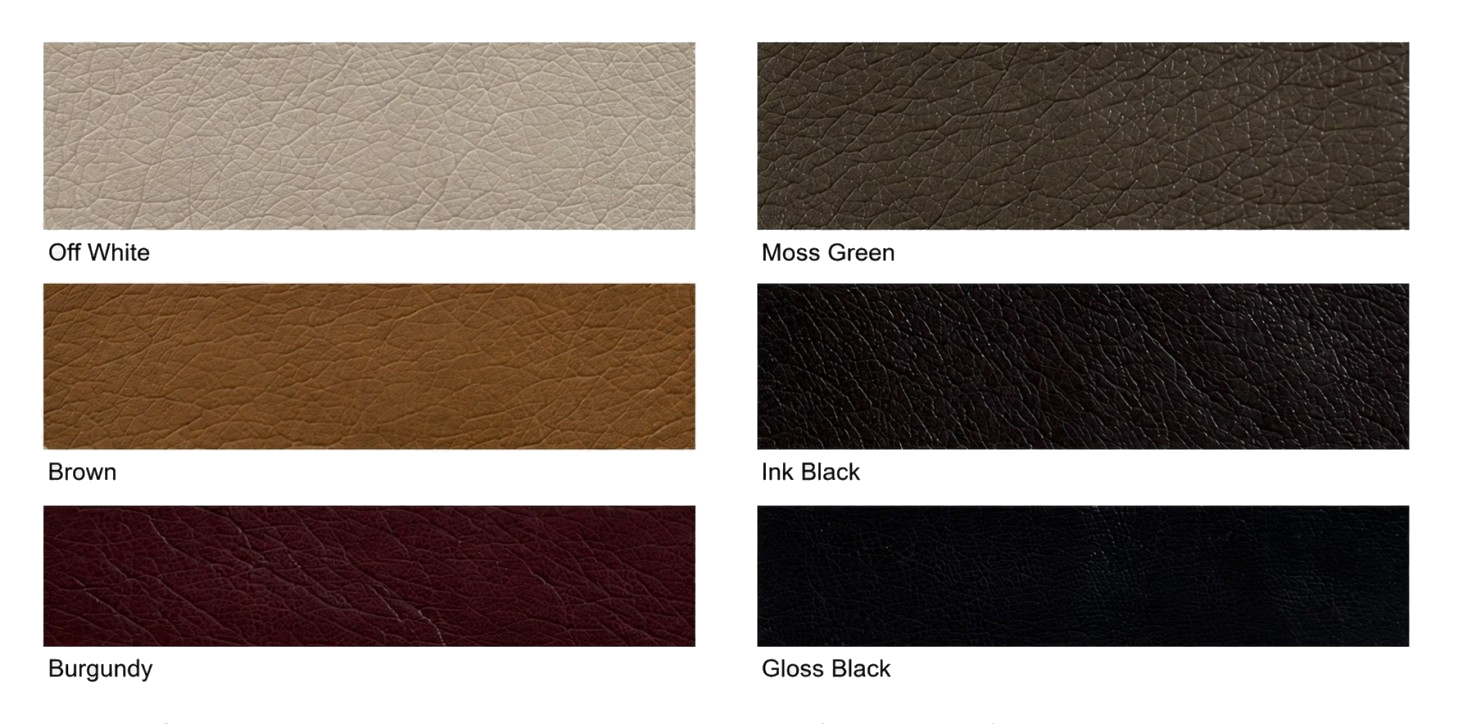
PU / Vegan Leather

Article
Thickness
Composition

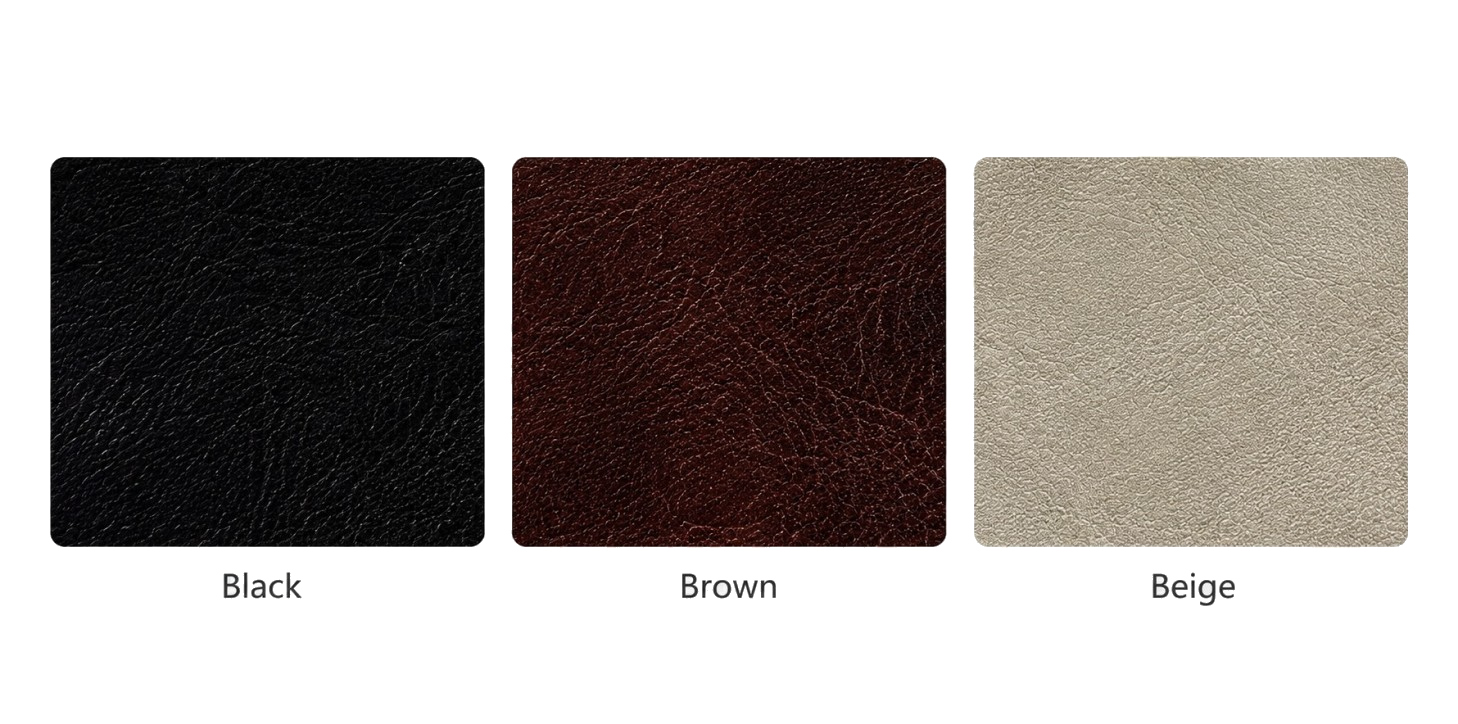
Genuine Leather

Article
Thickness
Composition

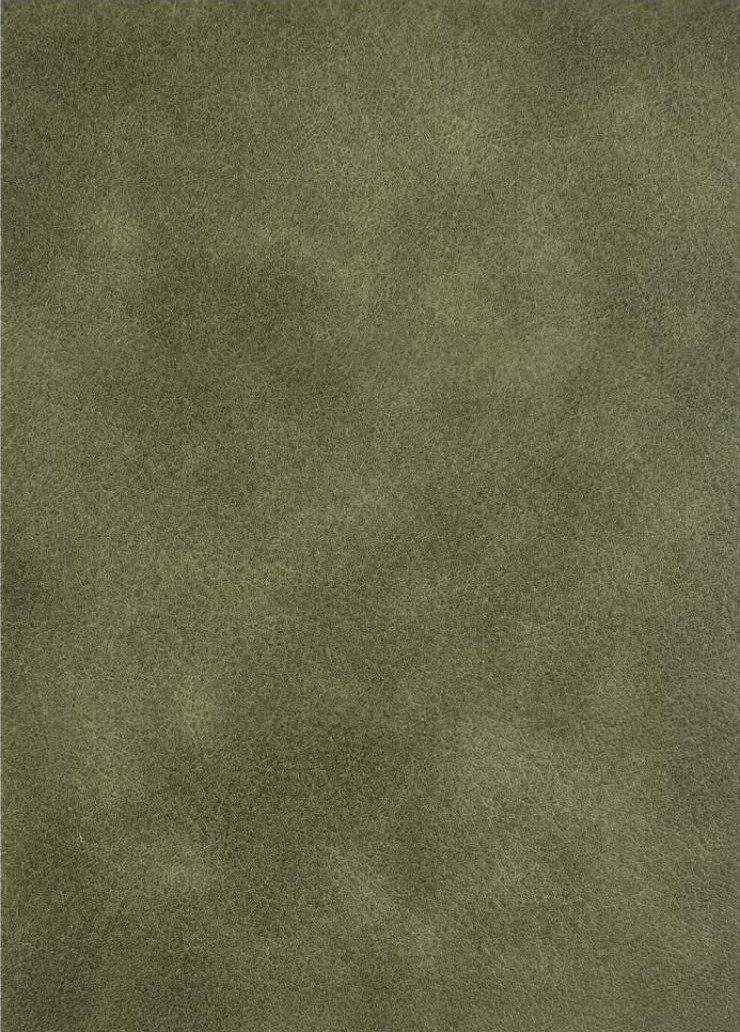
Plant-Based Leather

Article
Thickness
Composition

Lining Materials

Article
Thickness
Composition

Packaging Options

Article
Thickness
Composition

Technique show

Article
Thickness
Composition

Common Backing Fabrics

Beige Woven Backing

Black Suede-Like Backing

Black Knit Backing

Light Grey Knit Backing

Testing Information

Chemical Performance / Compliance

Lead < 90ppm
Cadmium < 75ppm
Formaldehyde < 75ppm
Hexavalent Chromium < 3ppm
Azo < 5ppm
Nickel < 0.05
APEO < 100ppm
AP < 10ppm
DMFa < 500ppm, PVC-free
Dry wipe level 4; wet wipe level 3
Yellowing resistance: Grade 4
Flame retardants are prohibited
Total 18 PAHs < 10ppm; each item < 0.5ppm